Mapping Sequential Reward Pathways in Linked Mobile Prize Accumulators
Alex Beck · Aug 25, 2026
Mapping Sequential Reward Pathways in Linked Mobile Prize Accumulators
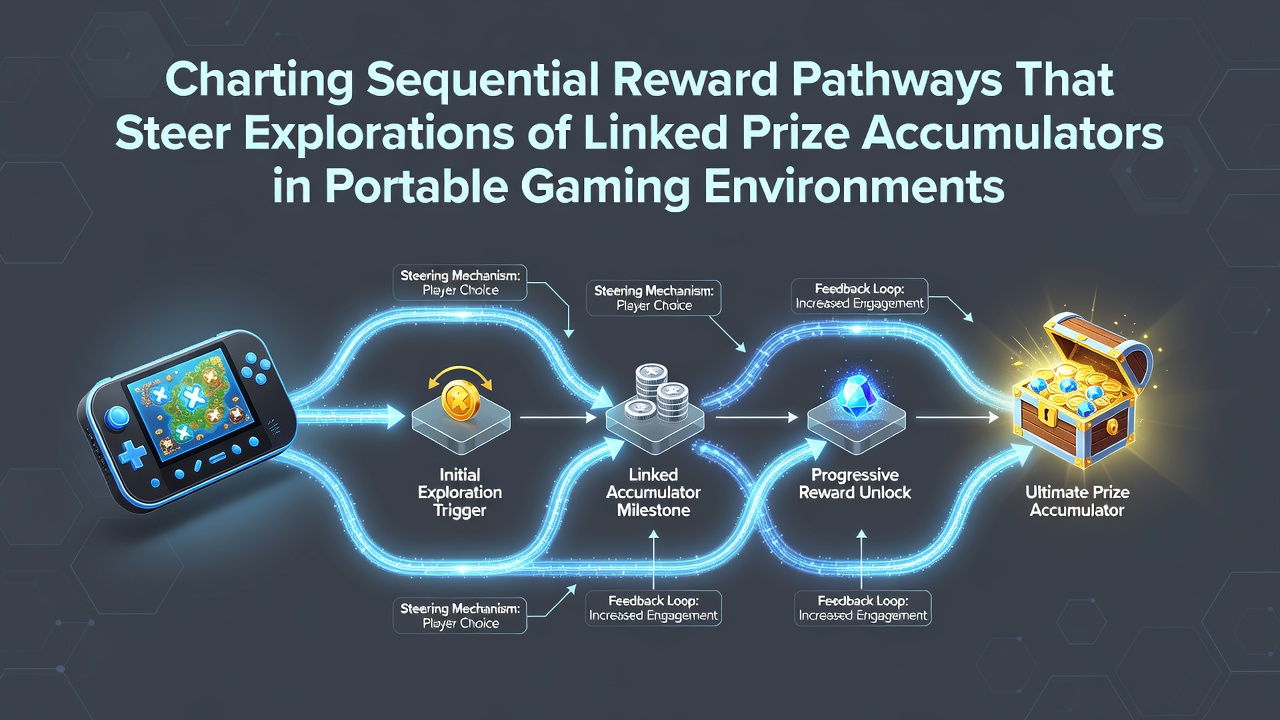
Sequential reward pathways in portable gaming environments operate as structured sequences where players advance through defined stages, each stage unlocking access to subsequent levels while accumulating points that feed into shared prize systems, and these mechanisms have expanded across mobile platforms since the mid-2010s. Data from multiple markets show that linked prize accumulators, often called progressive pools, draw contributions from numerous devices simultaneously, which creates larger prize totals that reset only after a qualifying win occurs. Researchers at academic institutions tracking digital entertainment have documented how these pathways incorporate trigger events such as level completions, collection tasks, and time-based challenges that direct player movement toward the accumulators.
Core Mechanics of Sequential Pathways
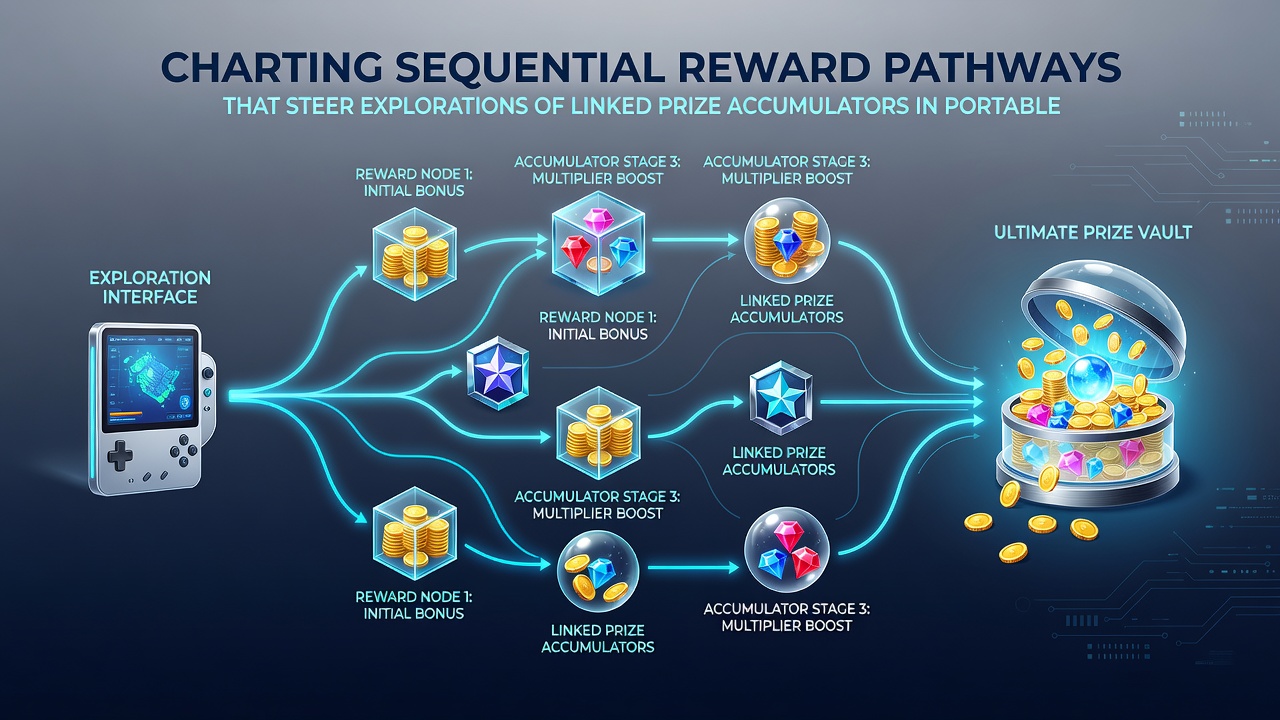
Designers construct pathways as linear or branching sequences where each completed action increments a visible meter, and the meter value determines eligibility for the next segment, while the entire chain ultimately connects to the accumulator pool. In practice this means a player might start with basic spins or taps that generate entry credits, move to intermediate objectives that multiply those credits, and finish at a gateway stage that transfers a portion of accumulated value into the linked prize total. Industry reports indicate that portable environments facilitate this process through push notifications and in-app progress trackers that maintain continuity across short play sessions, and mobile hardware capabilities such as touch interfaces and real-time connectivity support the frequent updates required to keep pathways responsive.
Integration with Linked Prize Accumulators
Linked accumulators aggregate contributions from thousands of simultaneous sessions across different devices and geographic regions, which means each pathway progression adds a small increment to a central total that multiple players can access under predefined rules. Observers note that the connection between sequential stages and these pools occurs through backend servers that log every action and apply fixed allocation percentages, so that a completed pathway segment contributes directly to the pool without requiring additional player input. In August 2026 several platform operators introduced refined logging protocols that record the exact sequence order of rewards, allowing clearer analysis of how early-stage actions influence final accumulator eligibility across different game titles.
Studies from the University of Nevada Reno's gaming research group have examined similar systems in regulated markets and found that pathway length correlates with player retention metrics when the stages include visible progress indicators, yet the same data sets show no direct causation between pathway complexity and overall prize distribution patterns. Pennsylvania Gaming Control Board statistics on mobile-integrated terminals reveal that accumulators linked across multiple titles can exceed several million dollars before payout, with contributions arriving from pathway completions at rates that vary by time of day and user density.
Technical Implementation in Portable Settings
Portable devices transmit pathway data through encrypted sessions that update accumulator values in near real time, and developers rely on cloud infrastructure to synchronize contributions from disparate locations without noticeable lag. Software frameworks handle the sequencing logic by checking completion flags before advancing the player, which prevents out-of-order access and maintains the intended flow toward the prize pool. Those who have analyzed source code patterns in published developer documentation observe that conditional branches within pathways can reroute players based on prior choices, creating personalized routes that still terminate at the same accumulator entry point.
Network latency tests conducted by independent labs demonstrate that modern 5G connections reduce synchronization delays to under 200 milliseconds, which supports the seamless experience required for pathways that span multiple minutes of play. Data from Canadian provincial regulators further indicate that accumulator balances in mobile environments grow at rates proportional to concurrent active sessions, with seasonal peaks appearing during evening hours in major time zones.
Analytical Approaches to Pathway Mapping
Analysts map these systems by extracting event logs that timestamp each stage transition and correlate them with accumulator contribution events, producing visual flow diagrams that highlight bottlenecks or high-conversion segments. Software tools designed for this purpose parse server-side records to calculate average completions per pathway stage, and the resulting metrics help identify which sequential elements most reliably direct value into the linked pools. Research papers published in the Journal of Gambling Studies have outlined statistical models that treat pathway progression as a Markov chain, where the probability of reaching the accumulator depends on the cumulative success rate across preceding stages.
What's interesting is how cross-platform compatibility affects these mappings, because operating system updates can alter timing variables that influence whether a sequence registers correctly on every device. Regulators in Australia have required operators to maintain audit trails of such sequences for compliance verification, and similar requirements appear in several U.S. state frameworks that oversee mobile gaming deployments.
Conclusion
Sequential reward pathways and linked prize accumulators form an interconnected framework that structures player progression in portable gaming environments through measurable stages and centralized contribution mechanisms. Documentation from multiple regulatory and academic sources confirms that these systems rely on precise logging, real-time synchronization, and defined allocation rules to maintain operational integrity across devices. Continued monitoring of implementation details in August 2026 and beyond will provide additional data points for refining the mapping techniques used to chart these reward flows.