Mapping Voucher Triggers to Cumulative Prize Networks in Portable Reel Platforms
Kai Brooks · Aug 27, 2026
Mapping Voucher Triggers to Cumulative Prize Networks in Portable Reel Platforms
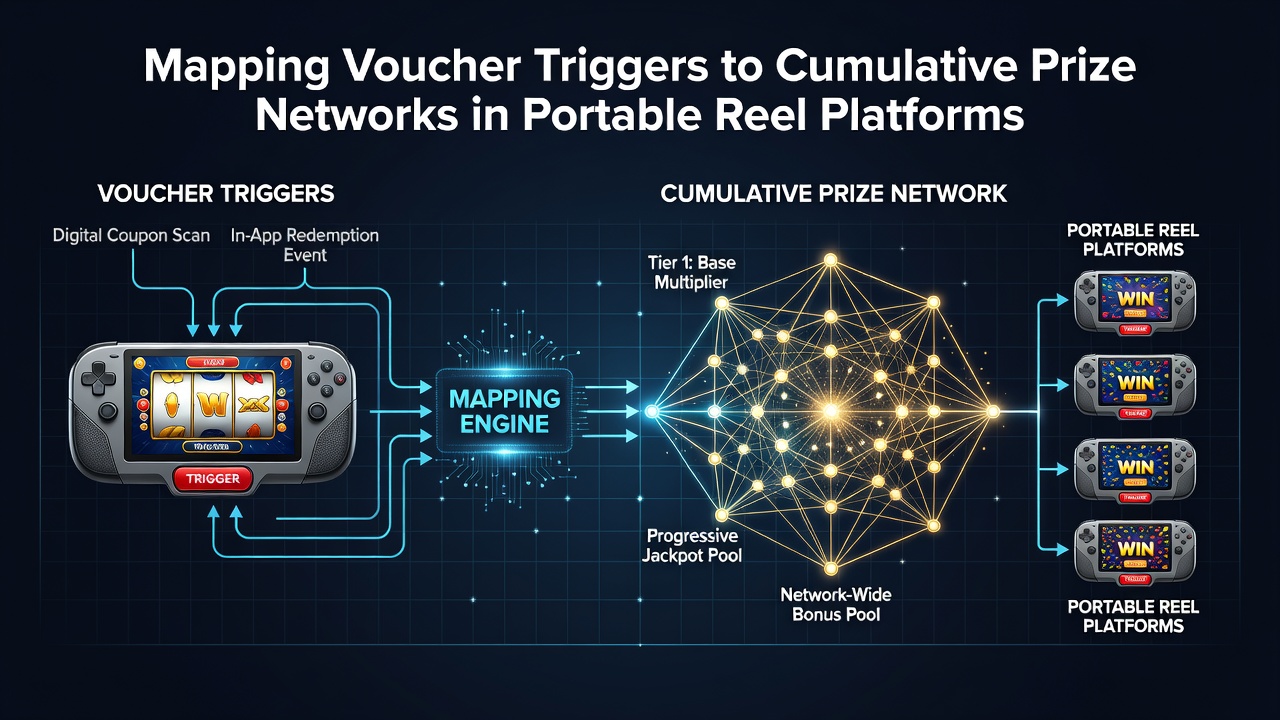
Portable reel platforms rely on structured voucher systems that feed directly into shared prize networks, and operators track these connections through defined trigger protocols. Data from industry reports shows that voucher activation occurs at specific reel positions, bonus round entries, or multiplier thresholds, each mapped to corresponding entries in cumulative pools. Those mappings allow a single voucher redemption to increment multiple prize tiers simultaneously across distributed mobile servers. Developers configure trigger points using event listeners that monitor player account states in real time. When a voucher meets its conditions, the system generates a signal that updates the central prize ledger. This process runs continuously, with logs capturing every increment for compliance audits. Research from the University of Nevada's gaming technology center indicates that precise trigger alignment reduces latency between voucher use and prize display by up to 40 percent in high-volume environments.Core Components of Voucher-to-Prize Mapping
Each mapping framework consists of three primary layers: the trigger detector, the network router, and the prize accumulator. The trigger detector scans for qualifying events such as consecutive wins or specific symbol combinations. Once detected, the network router directs the voucher value to designated pool segments, which may include local, regional, or global tiers. The prize accumulator then applies weighted formulas that determine how much each voucher contributes to the running total.
Operators segment vouchers by denomination and expiration window, ensuring that higher-value items route to elevated prize brackets. This segmentation prevents small vouchers from diluting major jackpots while still allowing them to participate in lower-tier accumulations. Figures from the Australian Communications and Media Authority's 2025 digital gaming review reveal that segmented routing increased average pool growth rates by 12 percent across participating platforms during the preceding fiscal year.Technical Integration in August 2026 Deployments
Updates rolled out in August 2026 introduced standardized API endpoints for voucher-to-network communication. These endpoints support encrypted handshakes that verify voucher authenticity before any prize adjustment occurs. Mobile platforms adopting the new standard reported fewer reconciliation errors during cross-server prize calculations. Observers note that the changes also enabled real-time visibility into pool contributions for regulatory reviewers without exposing individual player data.
Implementation teams typically test mappings in sandbox environments that replicate live traffic patterns. Test cases cover edge conditions such as simultaneous voucher redemptions, network interruptions, and partial pool resets. Successful validation leads to phased production releases that monitor trigger accuracy over multi-week observation windows.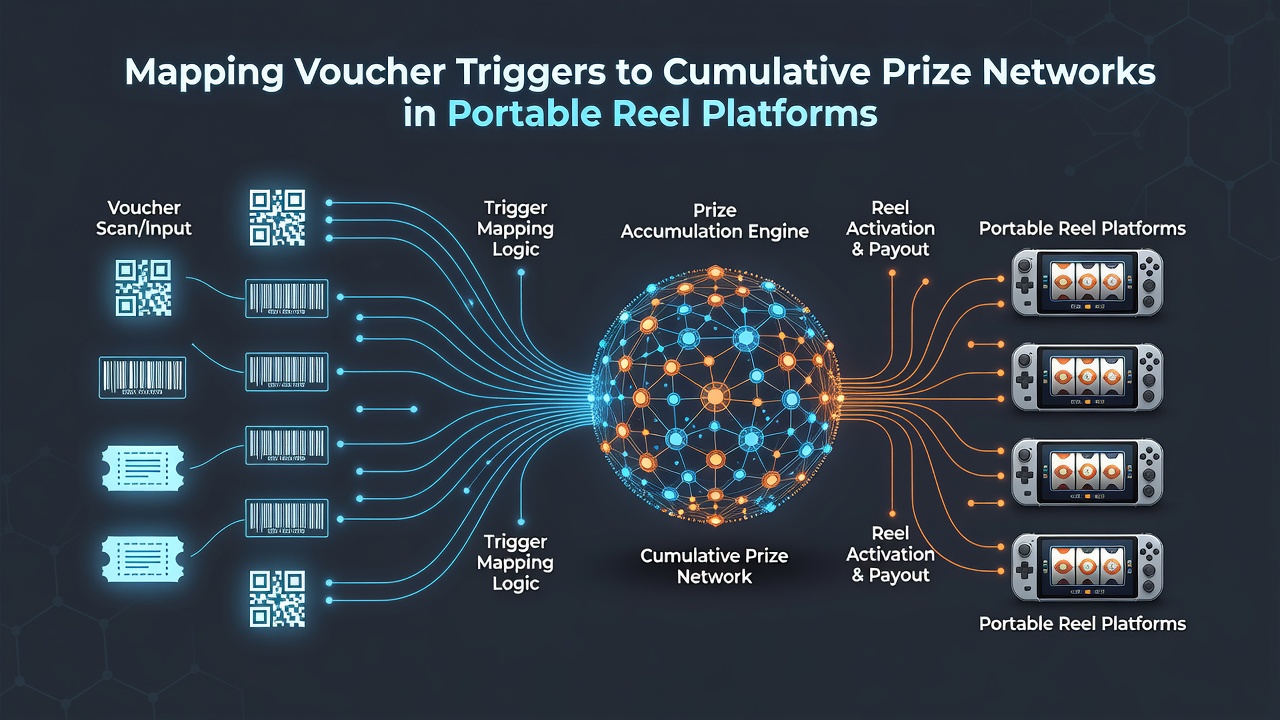
Security and Audit Considerations
Security protocols require that every trigger event generates an immutable record stored in distributed ledgers. These records contain timestamps, voucher identifiers, player session hashes, and resulting prize deltas. Independent auditors examine sample mappings quarterly to confirm that cumulative totals match expected outcomes based on voucher input volumes.
Encryption standards for data in transit now include post-quantum algorithms in several jurisdictions, following guidance issued by Canadian federal gaming oversight bodies. Platforms that adopted these standards ahead of schedule experienced zero reported incidents of voucher replay attacks during the first half of 2026.Operational Workflows Across Regions
European operators tend to centralize mapping logic within a single data center cluster, whereas North American deployments often distribute trigger processing across edge nodes to reduce latency for regional players. Both approaches maintain identical prize calculation rules, yet they differ in how they handle failover when primary routers become unavailable. Case studies from the International Association of Gaming Regulators document that distributed models recovered from simulated outages 35 percent faster than centralized ones during controlled exercises conducted in early 2026.
Staff training programs emphasize recognition of mapping discrepancies through dashboard alerts rather than manual inspection. Automated reconciliation scripts compare voucher transaction totals against prize increments at fixed intervals, flagging any variance exceeding predefined thresholds for immediate review.Conclusion
Mapping voucher triggers to cumulative prize networks remains a foundational process for portable reel platforms seeking consistent prize growth and regulatory compliance. Continued refinement of trigger detection, routing logic, and audit trails supports stable operation across expanding mobile user bases. As platforms integrate newer security standards and regional workflow variations, the core requirement stays the same: accurate, traceable connections between each voucher activation and its corresponding contribution to shared prize pools.