Smartphone Slot Incentive Patterns Reveal Distinct Engagement Shifts Among British Players
Kai Brooks · Aug 22, 2026
Smartphone Slot Incentive Patterns Reveal Distinct Engagement Shifts Among British Players
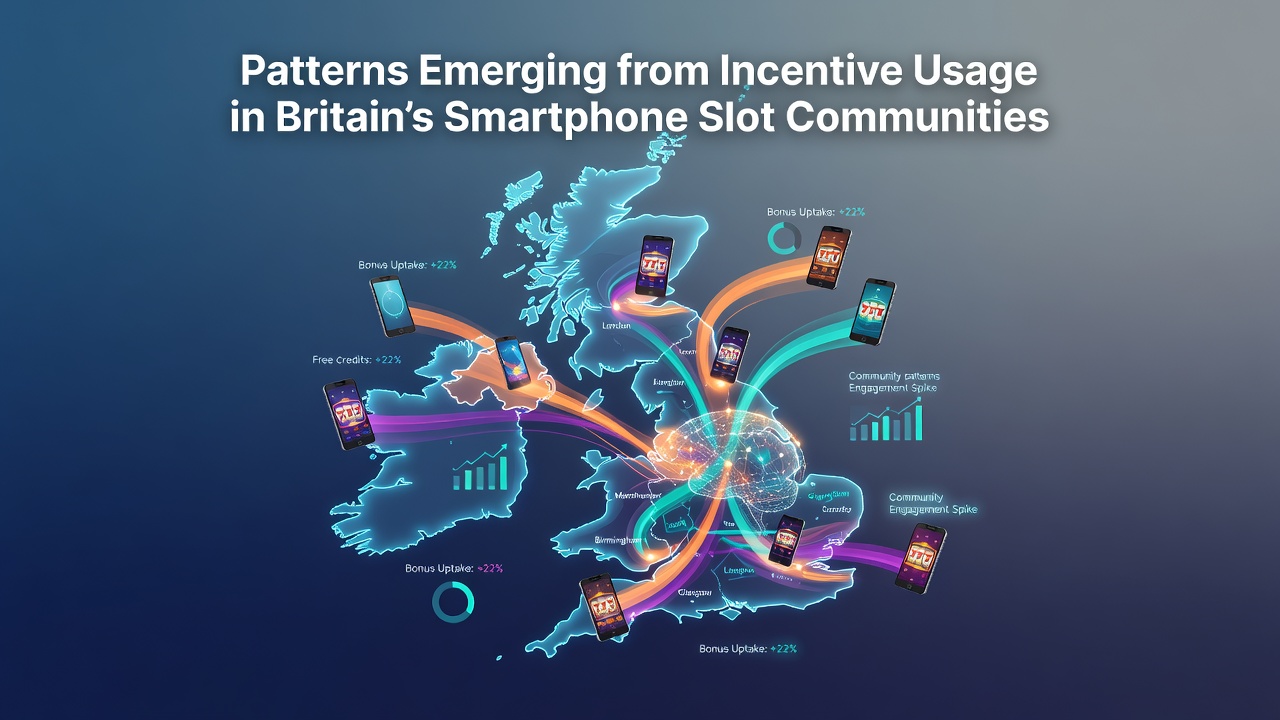
Data from multiple tracking sources shows that incentive structures tied to mobile slot platforms have produced measurable changes in how British users structure their play sessions, with free spin allocations and deposit match offers emerging as primary drivers of session frequency rather than total spend per session. Observers note that these patterns became particularly clear during the first half of 2026, when app-based communities began sharing real-time data on which incentive types delivered the highest return rates on smaller stakes.
Incentive Types Driving Mobile Engagement
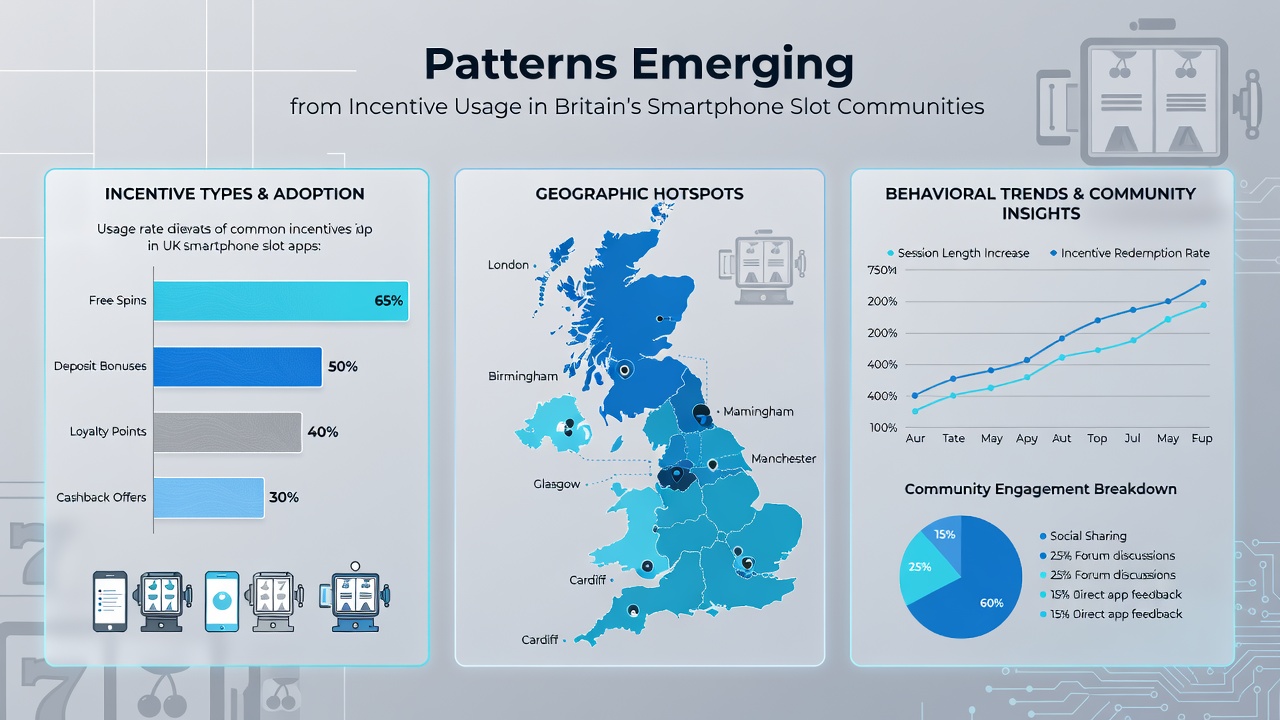
Studies conducted by independent research groups indicate that no-deposit free spin packages continue to attract new accounts at higher rates than traditional match bonuses, yet retention metrics reveal that players who receive ongoing cashback offers tend to maintain longer active periods across multiple apps. Those who've examined user logs report that progressive jackpot pools linked directly to free spin redemptions create spikes in participation during evening hours, while standalone bonus rounds without jackpot ties show steadier but lower-volume usage throughout the day.
Community forums and app analytics together demonstrate that British smartphone users respond most consistently to time-limited incentives that reset weekly, prompting repeat logins rather than extended single sessions. This rhythm differs from patterns observed in earlier desktop-focused markets, where longer play windows were more common before mobile interfaces became dominant.
Behavioral Responses Across Age and Region
Figures compiled by academic teams at several European institutions show younger cohorts in urban centres favouring incentives that combine free spins with social sharing features, whereas users over 45 demonstrate stronger engagement with straightforward deposit return offers. Regional breakdowns reveal higher uptake of multi-app incentive stacking in Scotland and northern England compared with southern regions, although total time spent per incentive remains relatively consistent across locations.
One analysis released in August 2026 highlighted that players who combined multiple incentive types within a single week showed elevated rates of switching between different slot titles, suggesting that variety-seeking behaviour increases when bonus structures allow easy movement between games without additional deposits. This pattern appears independent of overall spending levels and instead correlates with the perceived flexibility of the offers themselves.
Technology and Platform Influences
Platform data indicates that push notification systems tied to new incentive releases generate immediate engagement spikes, yet users who disable these alerts still respond strongly to in-app reminders that appear upon login. Researchers tracking these interactions note that the timing of incentive availability matters more than the absolute value, with offers appearing between 6pm and 10pm producing the largest response rates across most demographic segments.
Integration with digital wallets and quick-deposit functions has further streamlined how incentives are claimed, reducing friction that previously caused some users to abandon bonus rounds mid-process. This technical shift has contributed to higher completion rates for multi-step incentive sequences, particularly those requiring initial deposits followed by additional play requirements.
Comparative Data from Other Markets
According to reports published by the Australian Gambling Research Centre, similar incentive patterns appear in mobile markets outside Britain, although jackpot-linked free spins show slightly lower conversion rates in regions with stricter advertising rules. A separate study from Canadian researchers at the Responsible Gambling Council found that cashback structures maintain steadier engagement over six-month periods compared with one-time bonus drops, mirroring observations emerging from British smartphone communities.
These cross-market comparisons suggest that the incentive response patterns developing in Britain reflect broader shifts in mobile gambling interfaces rather than isolated local factors, while still displaying unique timing preferences tied to British daily routines.
Conclusion
Overall, the data collected through 2026 points to incentive usage in Britain's smartphone slot communities becoming more segmented by user preference and platform design, with free spin allocations, cashback mechanisms, and time-sensitive offers each producing distinct engagement rhythms. Continued monitoring of these patterns will likely provide further clarity on how mobile-specific features continue to shape participation across different player groups.